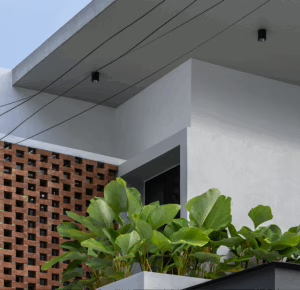
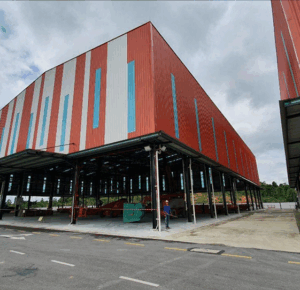
What Is Factory Design and Build?

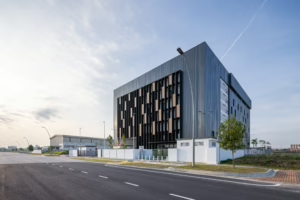
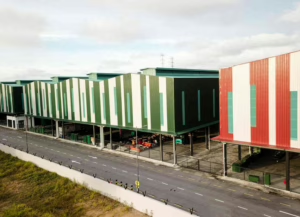
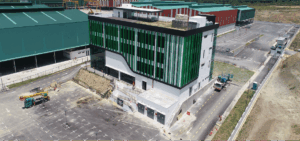
In the modern day, industrial environment, a well organized and efficient factory is essential to success in operations. Factory design and build involves the comprehensive planning, architectural design, and construction of manufacturing facilities to ensure functionality, safety, and scalability. This is not just the creation of a building however, it combines the use of optimisation of workflow, space management and technology to provide a facility that will not only support its existing operations but also future expansion.
Understanding Factory Design
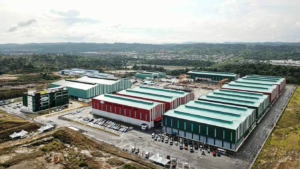
At its core, factory building design focuses on creating spaces that streamline manufacturing processes while maintaining safety and compliance with regulations. With a well-considered factory layout, one can ensure that there is no problem in flowing of materials, the presence of few operational bottlenecks, and adequate utilization of manpower and machines. In Malaysia, factories are rapidly growing, and with the increase in size of industrial zoning areas, the need of a modern and purpose designed factory is becoming a necessity and hence the value of professionalism in designing.
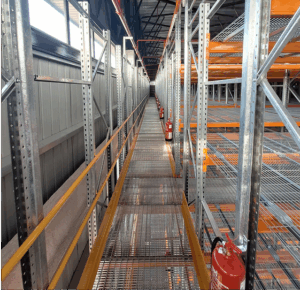
Storage facilities, loading bays and offices should also be included in the design of a factory. The open floor plans with well-identified areas are useful to reduce congestions and enhance productivity. Through the combination of intelligent space planning, both operational efficiency and safety of the working environment can be ensured by the companies.
The Role of Design and Build
The factory design and build approach combines architectural planning with construction execution under a single project management framework. The approach guarantees that design intent is achieved properly, schedules are adhered to, and expenses are minimised. Employment of qualified industrial architects and engineers will ensure that the facility is built in accordance with local building standards, safety standards, and operational guidelines.
Another of the major advantages of this method is the fact that there is an uninterrupted flow of information between the design and the building teams. Material use, structural elements, and design changes are all determined with collective planning and this minimizes time wastage and the high-cost changes as the building progresses. In the case of business in Malaysia, this combined approach will make sure the factories are provided with maximum efficiency, with minimum interference to the planning and running processes.
Key Considerations in Factory Design Malaysia
There are various considerations when planning the factories in Malaysia. First, the weather, climate issues, including ventilation and heat control are much needed because of the tropical climate. The use of natural airflow, insulated roof, and energy saving lights enhances comfort to employees and minimizes operation expenses.
Second, the efficiency of the factories is based on workflow optimisation. The layout of production lines, storage and loading areas would reduce unwarranted material and human movement. The design can also be equipped with advanced manufacturing technologies, automated systems, and digital tracking tools, which can be used to improve the productivity and inventory management.
The other consideration is sustainability. Modern factory design Malaysia often includes water-saving systems, solar panels, and environmentally friendly construction materials. Sustainable practices do not only have an environmental impact that is less harmful, but also long-term money savings.
Designing for Flexibility and Growth
A current day factory has to be flexible to changing business requirements. The use of modular layouts, storage capacity that can be expanded on demand, and production spaces that can be varied, gives to companies the capability to expand on a large scale without significant structural redesigns. The progressive design of the factories makes sure that the facilities will not be out of place or useless in the long run, when the need to produce something different will be raised.
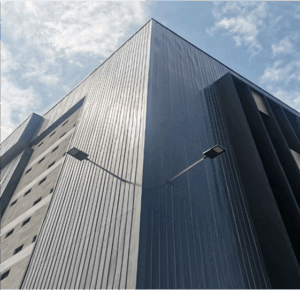
The best materials, structural systems and construction methods should be selected. Steel structures are very popular because it is durable and is able to cover long open spaces. Ready-made modules have the capability to shorten construction schedules and offer affordable ways of growth in operations.
Conclusion
Factory design and build is a strategic process that combines architectural expertise, construction knowledge, and operational insight. Since building design has implications on efficiency, safety and long-term performance, every choice has consequences on workflow optimisation and sustainability.
Investing in professional design and building services will offer to the company of Malaysia that factories are not only useful, but also flexible, power-efficient, and in accordance with the local regulations. Businesses need to focus on proper planning, clever layout and creative solutions to building projects so that industrial facilities can be designed to contribute to growth, productivity and operational excellence even many years in the future.


Read More Blogs