Warehouse Layout: From Configuration to Efficiency

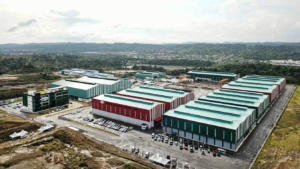
When you walk into a modern warehouse, you’re witnessing years of strategic planning and thoughtful design. A warehouse layout is far more than just arranging shelves and loading docks it’s a fundamental architectural decision that impacts operational efficiency, safety, and profitability. For businesses across Malaysia’s rapidly growing manufacturing and logistics sectors, understanding how to design an effective warehouse layout has become essential to staying competitive.
The layout you choose determines everything from how quickly goods move through your facility to how many employees you need on the floor. A poorly designed warehouse can cost your business significant time and money, while a well-planned space transforms operations into a seamless, cost-effective process. For a comprehensive overview of how these principles apply to larger facility planning, consider reviewing the complete warehouse design guide for Malaysian facilities, which covers site selection, regulatory compliance, and build specifications specific to Malaysian building codes.
Fundamentals of Warehouse Layout
A warehouse layout is the strategic arrangement of storage areas, workflow zones, and operational spaces within a facility including receiving areas, storage systems, picking stations, packing zones, and shipping departments.
The primary goal is to minimize travel time, reduce handling costs, and maximize space utilization. In Malaysia’s competitive logistics landscape, every square meter counts. A poorly optimized layout might require your team to walk hundreds of extra meters per day, compounding into significant inefficiencies over months and years.
Key considerations for warehouse layout design include:
- Flow patterns: How materials move from receiving through storage to shipping
- Space efficiency: Making optimal use of vertical and horizontal space
- Safety compliance: Ensuring clear walkways, emergency exits, and proper ventilation
- Accessibility: Positioning frequently accessed items at convenient heights
- Scalability: Designing layouts that accommodate future growth without major restructuring
The most effective warehouse layouts align with your specific business operations. A textile warehouse operates differently from an electronics distribution center, which operates differently from a food storage facility. Your warehouse design must reflect your unique operational needs.
Common Warehouse Layout
The Straight-Line (I-Shaped) Layout
The straight-line warehouse layout features a simple, linear flow. Materials enter through one end, move through a straight path of storage areas, and exit through the other end. This configuration works exceptionally well for facilities with high throughput and predictable product flows. Many Malaysian food distribution centers use this layout because it simplifies inventory tracking and reduces congestion.
The advantages are clear: minimal confusion about where products should go, faster training for new employees, and reduced travel distances between stations. However, this layout requires excellent traffic management to prevent bottlenecks, and it’s less flexible if you need to adjust operations.
The U-Shaped Layout
In a U-shaped warehouse layout, materials enter and exit from the same end of the facility, with storage arranged in a semicircular or rectangular loop. This configuration is popular among manufacturers who need to return finished goods to a central shipping area. The U-shaped design reduces the distance drivers need to travel and allows for better supervision of operations from a central point.
Many modern electronics manufacturers in Malaysia’s industrial zones prefer this layout because it facilitates just-in-time inventory practices and makes quality control checkpoints easier to establish. The primary drawback is that it requires more sophisticated traffic management to prevent congestion at the entry and exit point.
The L-Shaped Layout
The L-shaped warehouse layout offers a middle ground between straight-line and U-shaped configurations. It’s particularly useful for facilities with space constraints or irregular building footprints. This design works well in older industrial areas where warehouses may occupy non-rectangular plots.
While it provides flexibility, it can create “dead zones” that are difficult to utilize effectively, and it may generate longer travel distances in certain sections.
Optimizing Space Utilization in Your Warehouse Layout
Once you’ve selected a basic configuration, the real work of optimizing your warehouse layout begins. Space utilization directly impacts your bottom line even a 5% improvement in space efficiency can translate to thousands of ringgit in annual savings.
Vertical Storage Solutions
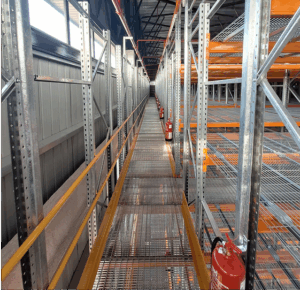
Most warehouse managers focus on horizontal space, but the most significant improvements often come from maximizing vertical space. Modern pallet racking systems allow facilities to stack goods six, eight, or even ten tiers high, often tripling capacity without expanding the building footprint.
In Malaysia’s hot, humid climate, proper ventilation becomes essential when implementing tall racking systems. Your warehouse design must account for air circulation to prevent moisture buildup particularly important for facilities storing textiles, electronics, or pharmaceuticals.
Aisle Configuration
The width and layout of aisles significantly impact both efficiency and safety. While wider aisles reduce turning radius for forklifts and improve movement speed, they consume valuable floor space. Consider implementing different aisle widths in different zones main thoroughfares wider for safety and traffic flow, while aisles within high-density storage areas remain narrower. This hybrid approach often provides the best balance between operational efficiency and space conservation.
Receiving and Shipping Zones
These areas are your warehouse’s gateway to the outside world and deserve careful attention. Positioning receiving and shipping on the same side of the facility can reduce internal travel distances, but requires careful traffic management. Many successful Malaysian logistics providers position these zones opposite each other to create a natural flow-through path, making supervision easier and reducing the likelihood of incoming and outgoing materials mixing.
Integrating Industrial Design Principles into Your Warehouse Layout
Ergonomic Considerations
Your warehouse layout should minimize repetitive strain injuries and support worker safety. Picking stations should be positioned at ergonomic heights, walking paths should be flat and well-lit, and loading docks should accommodate different vehicle heights without requiring unsafe manual lifting.
In Malaysia, where labor costs continue to rise, investing in ergonomic layout design often pays for itself through reduced absenteeism and improved productivity. Workers who operate in well-designed spaces make fewer mistakes and work more efficiently throughout their shifts.
Traffic Flow and Congestion Management
Your warehouse layout must account for multiple simultaneous activities forklifts navigating aisles while pickers select items and packers prepare shipments. Successful layouts designate specific paths for different functions, with high-traffic routes wider and better lit, clearly defined equipment parking areas, and one-way traffic patterns to reduce collision risks.
Temperature and Environmental Control
Depending on your warehouse’s function, environmental conditions may need to be precisely controlled. Your layout should account for potential hot spots where temperature regulation might be challenging, particularly in Malaysia’s tropical climate. Proper placement of goods that generate heat, combined with strategic ventilation planning, prevents spoilage and maintains product quality. For detailed insights into how these principles apply to comprehensive facility planning, consider exploring the warehouse design guidelines for Malaysian operations, which addresses climate-specific considerations and building code requirements.
Technology’s Impact on Modern Warehouse Layout Design
Automation and Its Space Requirements
Automated systems like conveyor belts, robotic picking systems, and automated storage and retrieval systems (ASRS) have different spatial requirements than manual operations. These systems often require wider paths, elevated infrastructure, and dedicated control areas. Many progressive Malaysian manufacturers are integrating modest automation into their warehouse layouts, and even incorporating a single automated system requires thoughtful redesign of your layout to support it effectively.
Inventory Management Systems
Modern warehouse management systems (WMS) influence physical layout in subtle but important ways. Zone-based picking systems might organize your warehouse by product category rather than traditional flow patterns. Technology enabled warehouse layouts tend to be more flexible as inventory patterns change based on seasonal demand or market shifts, your WMS can quickly reorganize picking zones without requiring physical restructuring.
Warehouse Layout Challenges in the Malaysian Context
Climate Considerations
Malaysia’s tropical climate with high humidity, intense heat, and strong monsoon rains creates unique demands on warehouse layout design. Humidity can cause rust, promote mold growth, and damage sensitive products. A well-designed warehouse layout must incorporate adequate ventilation and drainage to address these challenges, with special attention to water management around receiving and shipping areas where water intrusion is most likely.
Labor Availability and Training
Clear warehouse layout design with intuitive flow reduces training time for new employees. An effective warehouse layout should be self-explanatory with clear signage, intuitive traffic patterns, and logical storage organization so new employees become productive faster, reducing training costs and operational disruptions.
Regulatory Compliance
Malaysian building codes, occupational safety regulations, and industry-specific requirements all influence your warehouse layout decisions. Facilities storing hazardous materials must maintain specific separation distances and emergency egress paths. Food storage warehouses require compliance with food safety authority guidelines. Your warehouse layout must be designed with full knowledge of applicable regulations, as retrofitting compliance into an existing layout is far more expensive than incorporating requirements during initial design.
Conclusion
A well-designed warehouse layout is foundational to operational excellence. Whether you’re managing a small distribution center or a large-scale manufacturing warehouse, the principles remain consistent: optimize flow, maximize space utilization, support safety, and create flexibility for future growth.
The warehouse layout you choose today will influence your operations for years to come. In Malaysia’s competitive business environment, where logistics and manufacturing excellence drive competitive advantage, a thoughtfully designed warehouse layout becomes a strategic asset and one too important to leave to chance. Review the comprehensive warehouse design standards for Malaysian facilities to understand how professional design approaches can transform your operations. For visual inspiration and expert perspectives, consider watching this informative overview of modern warehouse design practices. Additionally, learn more about the design excellence being recognised in Malaysia’s architecture and interior design industry through industry highlights and award recognition.


Read More Blogs