Guide For Warehouse Design in Malaysia
A warehouse design does not consist of the creation of a storage space. It is a strategic process which has direct impacts on the efficiency, safety and cost of operations by business. The in the developing industrial industry of Malaysia, a carefully designed plant can improve the working process, support its expansion in the future, and address the requirements of the regulations. This guide provides insights from an industrial design architect perspective, explaining the key principles and best practices in modern warehouse planning.
Understanding the Purpose of Warehouse Design
A warehouse becomes the support of logistics and materials handling. Successful warehouse planning should give the warehouse a chance to optimise the storage, circulation and working area so that it can support the day to day operations and be easily altered in case of a change in the future. The organised facilities enhance accuracy of inventories, minimise the labour expenses and allow faster order completion.
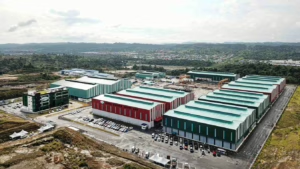
The manufacturing, distribution, and e-commerce of warehouses in Malaysia are a necessity. Design decisions, including layout and material handling systems, require business-specific requirements to carefully plan it is an important aspect of the process.
Strategic Layout and Space Planning
The central element of efficiency in the warehouse is the layout. The functional areas are strictly divided to the receiving, storage, picking, packing, and dispatch areas, reducing redundant movement and maximising productivity. Several commonly used popular layout shapes such as the U-shaped or I-shaped layout are simple to use and have an ability to reduce the flow of goods.
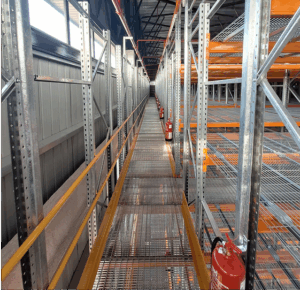
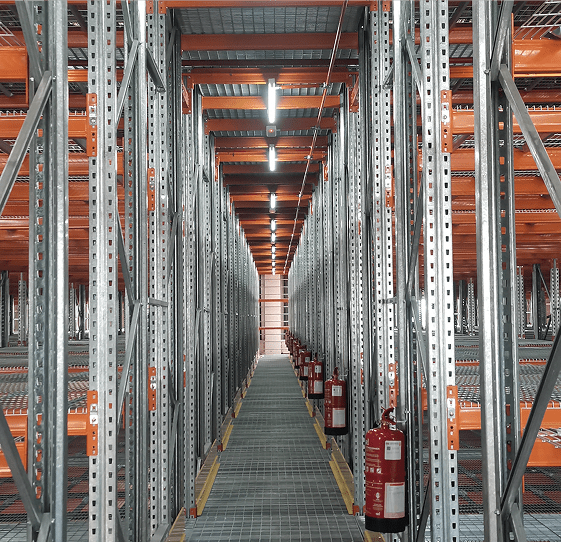
Factors like aisle width, ceiling height, ventilation, and natural light are very essential. This is because taller ceilings can be used to store vertically, more storage capacity is gained without adding to the footprint and ventilation and lighting can be used to improve the working conditions and safety. Thoughtful space planning ensures a balance between storage efficiency and accessibility, a hallmark of effective warehouse design Malaysia.
Optimising Workflow and Material Handling
Workflow Smooth workflow is a necessity to warehouse performance. Logical layout of storage areas, large aisles to used by forklifts, and well defined routes minimise handling mistakes and speed up processes. In modern facilities automated systems have also been integrated (i.e. storage and retrieval systems) and warehouse management software to trace inventory and enable simplified order fulfilment.
A team of expert architects makes sure that the facility plan is in line with the objectives of operations and with regulatory requirements. Their experience is used in decision making on equipment location, optimisation of workflow, and storage solutions, which make the operations safer and more efficient.
Safety and Compliance
An essential part of warehouse planning is safety. The facilities should comply with the local requirements on fire protection, emergency exits, occupational health and structural integrity. Adequate lighting, ventilation, and workstations with proper ergonomics decrease the chances of accidents and health risks, whereas compliance with a set of regulations prevents legislative problems.
At Malaysia, compliance with building codes and safety regulations gives a facility that safeguards the employees and the assets. These considerations must be incorporated in the design at the early stages to ensure the success of the long-term operation.
Flexibility and Scalability
Business requirements change with time and a good warehouse is one that can handle change. Storage systems are modular, adjustable shelves and versatile layouts can enable the facilities to grow or redesign without significant inconveniences.
Future growth planning also implies that one needs to reserve space to specialised areas, like cold storage or high-volume areas. One of the important elements that differentiate a functional warehouse and a temporary or strict one is flexibility.
Choosing the Right Materials and Structure
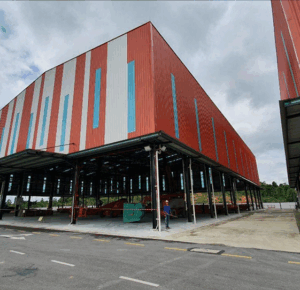
Structural decisions have an impact on performance and cost. Malaysian warehouses are usually constructed with steel because it is durable and offers large clear spans as well as had the ability to support heavy loads. Welded steel frameworks decrease constructions and offer durability.
There are also roofing, insulation and cladding materials which influence the efficiency of operation. Good insulation and ventilation controls the internal temperatures, which is especially crucial in the tropical climate of Malaysia and can ultimately help save a lot of energy expenses in the long term.
Technology and Innovation
Modern warehouse design increasingly incorporates technology to optimise efficiency. RFID tracking, barcoding and layout simulation software are tools which assist a designer and operators in making effective decisions regarding storage, workflow and labour allocation.
Planners can use simulation tools in trying different layout situations prior to the start of construction. This makes sure the ultimate design gives the maximum storage capability, unnecessary flow as well as facilitates smooth operations.
Sustainability Considerations
Sustainability is an essential aspect of contemporary warehouse design. The use of energy-efficient lighting and natural ventilation, as well as environmental-friendly material selection, contribute to lowering the operational cost and the environmental impact of the facility. The corporate social responsibilities are also backed by sustainable design that is becoming a significant concern to Malaysian companies.
Partnering with Experts
Collaborating with a professional industrial design architect ensures that your warehouse integrates efficiency, safety, and adaptability from the start. With professional advice, it becomes possible to determine the most appropriate layout, materials, and technologies to use in your business, which leads to an appropriate facility that fulfills the purposes of your operations and the goals of your future expansion.
Conclusion
Planning a warehouse is a complicated combination of technical knowledge, operational skill and foresight. Design and process efficiency to safety, sustainability and flexibility all decisions have performance and cost implications. For companies in Malaysia, adopting best practices in warehouse design Malaysia is crucial for efficiency, scalability, and long-term success.
Collaborating with more expert specialists is a guarantee that your warehouse will serve you in the present and future needs, staying flexible to changes. With these principles, the business is able to design spaces that are not only functional but strategically designed to optimize the productivity and operational excellence.


Read More Blogs