Space Planning Architecture for Better Home Design

In modern house design, space is more than just a physical area, it is about how people live, move, and interact within a home. This is where space planning architecture becomes essential. It is the foundation of creating functional, comfortable, and visually balanced living environments, especially in residential projects like double storey house design commonly seen in Malaysia.
Good space planning ensures that every square foot of a home is used effectively, balancing aesthetics with practicality. Without it, even the most beautiful house design in Malaysia can feel cramped, inefficient, or disconnected from the homeowner’s lifestyle needs.
For example, many modern homes in Malaysia are now designed with open layouts, flexible spaces, and better natural lighting strategies all results of thoughtful space planning principles.
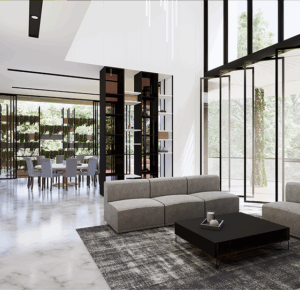
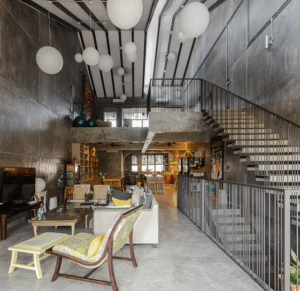
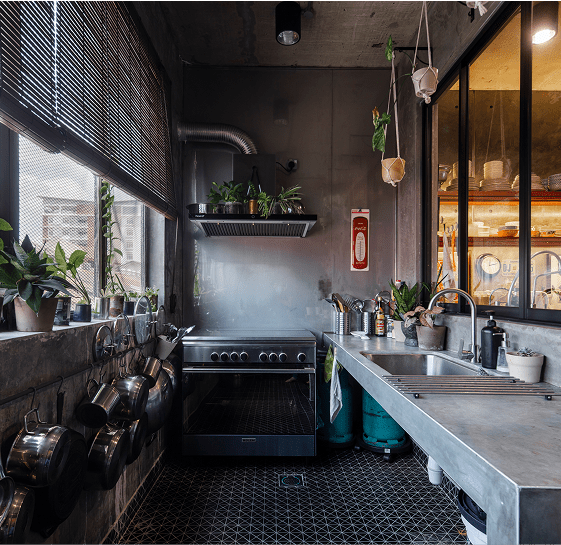
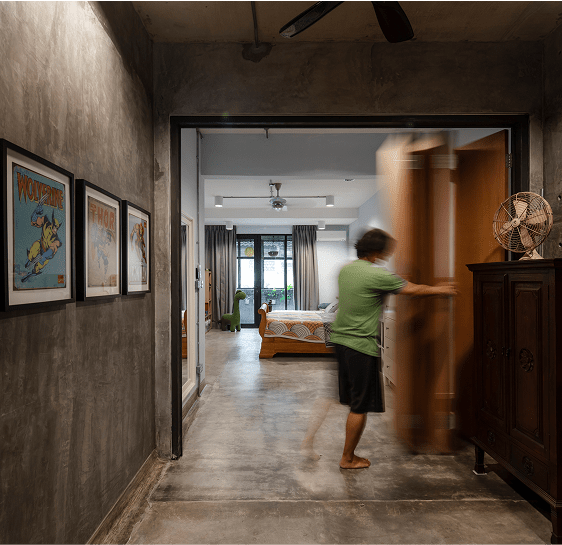
To see how space planning comes together in actual homes, take a look at this architecture house design inspiration featuring modern layouts and practical design ideas.
In this guide, you will learn what space planning is, why it is important, its key principles, and how it plays a crucial role in designing efficient double-storey homes in Malaysia.
What is Space Planning in Architecture?
Space planning in architecture refers to the strategic arrangement of spaces within a building to ensure functionality, flow, and comfort. It involves deciding how rooms connect, how people move through spaces, and how each area serves its intended purpose.
In space planning architecture, designers carefully analyse human behaviour, lifestyle needs, and site constraints before finalising layouts. This is especially important in architecture house design, where residential comfort and usability are top priorities.
For example, in a typical Malaysian home:
- Living areas are often placed at the front for accessibility
- Kitchens are designed near dining areas for efficiency
- Bedrooms are positioned for privacy, usually on upper floors in double storey house design
Effective space planning also considers ventilation, natural lighting, and cultural lifestyle habits, which are very important in house design in Malaysia due to the tropical climate.
A well-planned space does more than just look good, it enhances quality of life by reducing unnecessary movement, improving organisation, and creating a natural flow between rooms.
Importance of Space Planning in Malaysian Home Design
In Malaysia’s growing urban environment, land size is often limited, making space planning even more critical. Poor planning can lead to wasted space, awkward layouts, and uncomfortable living conditions.
That is why architects emphasise space planning architecture early in the design process, especially for residential projects like double storey house design in urban areas such as Kuala Lumpur, Johor, and Penang.
Good space planning improves:
- Functionality – Every space has a clear purpose and is easy to use
- Comfort – Better airflow and lighting improve daily living experience
- Efficiency – Minimises wasted space and improves movement flow
- Aesthetic balance – Creates visually pleasing and organised interiors
For Malaysian homes, space planning also considers cultural factors such as:
- Separate wet and dry kitchen areas
- Spaces for multi-generational living
- Flexible areas for social gatherings
For a clearer perspective on how these principles are executed in real residential projects, refer to these modern home layout ideas highlighting a comprehensive design approach.
This shows how architecture house design is not just about structure but also about how people live within the space.
Key Principles of Effective Space Planning
Understanding the principles behind space planning helps in creating more functional and efficient homes. Whether it is a small house or a large double storey house design, these principles remain essential.
1. Functionality First
Every space should serve a clear purpose. Designers prioritise usability before aesthetics in space planning architecture.
2. Circulation Flow
Movement between rooms should feel natural and uninterrupted. Hallways, stairs, and entrances must be strategically positioned.
3. Zoning of Spaces
Homes are divided into public, private, and service zones:
- Public: Living room, dining area
- Private: Bedrooms, study rooms
- Service: Kitchen, laundry
4. Flexibility
Modern house design in Malaysia often includes multi-functional spaces, such as study rooms that can become guest rooms.
5. Natural Light and Ventilation
Tropical climates require smart positioning of windows and openings to reduce heat and improve airflow.
These principles form the backbone of successful architecture house design, ensuring that homes are not only beautiful but also practical for everyday living.
Space Planning for Double Storey House Design in Malaysia
When it comes to double storey house design, space planning becomes even more critical due to vertical layout challenges. Architects must carefully distribute spaces across two levels while maintaining comfort and accessibility.
In Malaysia, a common approach in space planning architecture for double-storey homes includes:
- Ground Floor
- Living room and guest areas
- Dining and kitchen spaces
- Sometimes a guest bedroom or elderly-friendly room
- First Floor
- Master bedroom with ensuite bathroom
- Children’s rooms
- Family lounge or study area
This separation ensures privacy while maintaining convenience for daily activities.
Modern architecture house design also incorporates open-plan concepts on the ground floor to make smaller plots feel larger and more spacious.
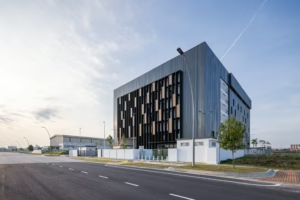
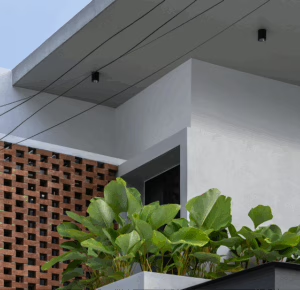
Take a closer look at how these concepts are applied in real residential projects with this front facade and layout inspiration.
Additionally, Malaysian homes often integrate outdoor-indoor connections such as:
- Sliding glass doors to patios
- Small garden courtyards
- Balconies for upper-floor ventilation
These elements enhance lifestyle comfort while maximising land use efficiency.
Common Mistakes and Modern Trends in Space Planning
Even with good intentions, many homeowners and designers make mistakes in space planning that affect long-term usability.
Common Mistakes:
- Poor room sizing (too large or too small)
- Ignoring natural lighting and ventilation
- Inefficient circulation paths
- Lack of storage planning
- Overcrowded layouts
These mistakes often lead to discomfort and inefficient living experiences, especially in dense urban house design in Malaysia projects.
Modern Trends in Space Planning:
On the positive side, space planning architecture is evolving with new trends such as:
- Open-concept living and dining spaces
- Minimalist layouts with multi-functional furniture
- Smart home integration for better space control
- Sustainable design focusing on energy efficiency
- Flexible layouts for remote working lifestyles
These trends are shaping the future of architecture house design, making homes more adaptable and efficient for modern living needs.
Conclusion
Space planning is one of the most important foundations in creating successful residential architecture. Whether it is a compact urban home or a spacious double storey house design, thoughtful space planning architecture ensures that every area serves a purpose and enhances daily living.
In Malaysia, where lifestyle needs, climate, and land constraints vary greatly, effective space planning plays a critical role in delivering comfortable and functional homes. From zoning and circulation to lighting and flexibility, every detail contributes to a better living experience.
As architecture house design continues to evolve, space planning will remain at the core of creating homes that are not only visually appealing but also highly practical and sustainable.
Start your home design journey with proper space planning, then explore more architectural inspiration and home design ideas to guide your next step.


Read More Blogs