Modern vs Contemporary House Design: Which Suits You?

If you’ve ever browsed through home design catalogues or scrolled through Instagram looking for inspiration, you’ve probably come across the terms “modern” and “contemporary” used almost interchangeably. But here’s the thing, they’re not the same. For homeowners in Malaysia planning to build or renovate, understanding the difference between these two styles is more than just an academic exercise. It can shape your entire build brief, your material choices, and ultimately, how your home feels to live in every day.
This matters especially now, in 2026, as the Malaysian property and construction landscape sees a surge in owner-driven custom builds, particularly double storey homes in suburban townships like Seremban, Shah Alam, Cyberjaya, and Johor Bahru. Whether you’re working with an architect for the first time or refining your design direction, this guide will help you identify which style aligns with your lifestyle, budget, and aesthetic vision.
By the end of this article, you’ll understand the core differences between modern and contemporary design, how each style translates into real architectural decisions, and which approach tends to work best for double storey residential builds in Malaysia. For a broader look at how these principles apply in practice, explore this guide to double storey home architecture and design.
What Does “Modern” Really Mean in Architecture?
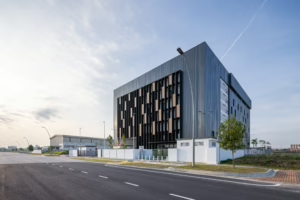
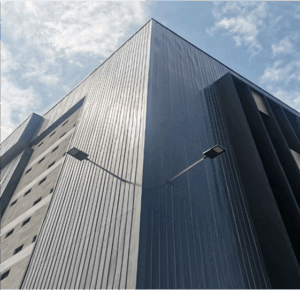
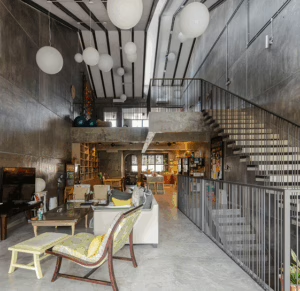
The word “modern” gets thrown around loosely, but in architectural terms, it refers to a specific movement called Modernism that emerged in the early-to-mid 20th century. Rooted in the philosophy that form should follow function, modern architecture champions clean lines, minimal ornamentation, and the honest use of materials like exposed concrete, steel, and glass.
In a residential context, modern design typically features:
- Open-plan interiors that prioritise flow and functionality over compartmentalised rooms
- Flat or low-pitched rooflines with strong geometric forms
- Large, fixed windows that bring natural light deep into the home
- Neutral material palettes think raw concrete, untreated timber, and matte finishes
- Deliberate absence of decorative trim or moulding every element serves a purpose
Think of the iconic homes designed by figures like Le Corbusier or Mies van der Rohe. That purist, almost austere sensibility is the DNA of true modern design.
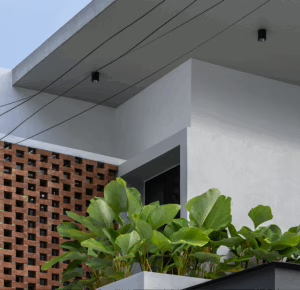
In Malaysia, this translates into homes with exposed brick or board-formed concrete facades, cantilevered upper floors, and interiors where structure becomes the aesthetic. It’s a style that ages exceptionally well because it never chases trends, it simply exists within its own set of timeless principles.
What Makes a Home Truly “Contemporary”?
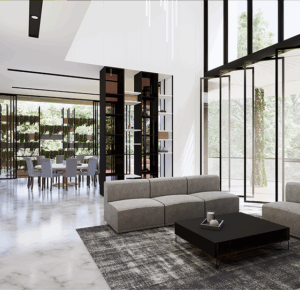
Contemporary design, by contrast, is a moving target. It describes what is happening right now at this moment in time which means it is always evolving. In 2026, contemporary house design is characterised by a blend of several influences: sustainability, biophilic design, smart home integration, and a softened take on minimalism.
Where modern design is disciplined and dogmatic, contemporary design is flexible and responsive. Key traits include:
- Curved and organic forms softening traditional boxy layouts
- Mixed material facades combinations of timber cladding, render, glass louvres, and metal screens
- Energy-conscious features such as solar panels, green roofs, and passive ventilation strategies
- Indoor-outdoor living with deep overhangs, landscaped courtyards, and folding glass walls
- Warmer tones and textures timber, terrazzo, stone, and tactile surface finishes
In the Malaysian climate, contemporary architecture has evolved to address local realities: intense sun, heavy rainfall, and high humidity. You’ll see this in homes with generous shading devices, cross-ventilation corridors, and materials chosen as much for thermal performance as for visual appeal.
Modern vs Contemporary
| Feature | Modern Design | Contemporary Design |
| Origins | Early 20th century movement | Reflects current trends (evolving) |
| Lines & Forms | Strict geometry, rigid symmetry | Organic curves mixed with clean lines |
| Materials | Concrete, steel, glass | Timber, stone, mixed materials |
| Colour Palette | Monochrome, neutral | Warmer tones, earthy accents |
| Sustainability | Not a primary focus | Central to the design philosophy |
| Flexibility | Fixed aesthetic rules | Adapts to lifestyle and context |
| Malaysia Suitability | Strong in urban settings | Well-suited to tropical climate |
| Interior Feel | Minimal, sparse | Warm minimalism, liveable |
How These Styles Apply to Double Storey House Design in Malaysia
Double storey homes represent the sweet spot for Malaysian families, enough space for multi-generational living, guest rooms, and home offices, without the land cost of a bungalow. Both modern and contemporary styles can be applied beautifully to this typology, but the design decisions play out differently depending on which direction you take.
For a modern double storey home, expect:
- A strong, symmetrical facade with deep horizontal lines
- Framed views through full-height windows on the upper floor
- A restrained material palette applied consistently from the exterior through to the interior
- A direct relationship between the structural grid and the spatial layout
For a contemporary double storey home, expect:
- A more dynamic facade that may combine rendered walls, timber battens, and metal louvres
- A roofline that may incorporate flat sections alongside a pitched element for rainwater management
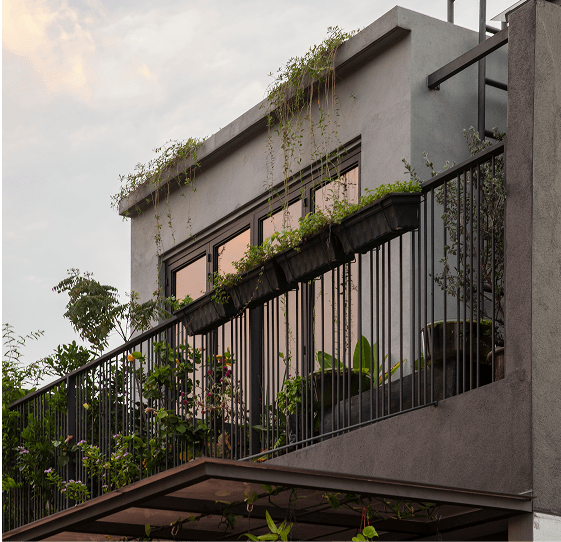
- Landscaping integrated into the architecture a planting wall, a courtyard void, or a rooftop terrace
- Interior spaces that transition fluidly from formal to casual living
In townships like Setia Alam, Bukit Jalil, and Desa ParkCity, you’ll increasingly see contemporary double storey designs that respond intelligently to narrow lot widths using vertical landscaping, light wells, and clever zoning to create homes that feel spacious and connected to nature, even on plots of 22 x 75 feet.
If you’re exploring design directions for your own build, it’s worth reviewing inspirational examples of double storey home facades and layouts before finalising your brief.
Which Style Should You Choose?
Choosing between modern and contemporary isn’t just about aesthetics, it’s about how you want to live. Here are some practical questions to guide your decision:
Choose modern design if:
- You appreciate strict visual discipline and timeless, unchanging aesthetics
- You prefer a minimal interior with few decorative elements
- You want a home that makes a bold, architectural statement
- Your site is urban or elevated with strong street visibility
Choose contemporary design if:
- You want a home that feels warm and liveable, not like a showroom
- Sustainability features like passive cooling, green walls, or solar integration matter to you
- You have a young family and need flexible, adaptable spaces
- You want your home to reflect how people actually live in 2026 connected, multi-functional, and responsive
A few practical tips for Malaysian homeowners:
- Consider your orientation first. Regardless of style, a home in Malaysia must manage solar heat gain. Work with your architect to ensure the facade design whether modern or contemporary includes adequate shading on the west-facing elevations.
- Don’t confuse minimalism with bare. Both styles can be minimalist, but minimalism done well still includes warmth through texture, greenery, and considered lighting.
- Think long-term. Modern design, by definition, doesn’t date. Contemporary design can feel fresh now but may need refreshing in 10–15 years as trends shift. Consider which investment philosophy suits you.
- Budget accordingly. High-quality contemporary homes with mixed material facades and biophilic features can push construction costs. Define your priorities early and communicate them clearly to your design team.
Conclusion
Modern and contemporary home design are distinct architectural languages, each with its own logic, its own beauty, and its own practical implications. Modern design offers the clarity of a fixed philosophy disciplined, timeless, and architecturally powerful. Contemporary design offers something more fluid, a home that speaks to the way people live today, that responds to climate, to lifestyle, and to the evolving possibilities of materials and technology.
For Malaysian homeowners in 2026, the most successful homes tend to draw on the best of both worlds. They carry the structural clarity of modern thinking, while embracing the warmth, sustainability, and livability that defines contemporary architecture at its finest.
Whether you’re leaning toward a striking modern facade or a contemporary house that breathes with the landscape around it, the foundation of a great home is the same: thoughtful design, quality execution, and a clear understanding of how you want to live.
Start by exploring professionally designed double storey home concepts to see how experienced architects translate these ideas into real homes for Malaysian families.
When you’re ready to take the next step, speak with the team at NOTArchitecture and let’s build something worth living in.


Read More Blogs